10 Common Kitchen Knives and What Each One Is Used For
- Ben Ballard

- May 28
- 6 min read
A Practical Guide for Building Confidence in the Kitchen

Learning how to use kitchen knives properly is one of the most useful steps a home cook can take. Good knife skills make cooking safer, faster, and more enjoyable, while the right knife helps each task feel more controlled. Many beginners assume they need a large collection of specialty knives, but most home kitchens only require a thoughtful selection of reliable tools.
Understanding what each knife is designed to do can remove uncertainty from meal
preparation. Whether you are chopping vegetables, slicing bread, trimming meat, or preparing fish, the correct knife allows you to work with greater precision and less effort. The following guide explains the most common kitchen knives, what each one is best used for, and how to choose and care for knives at home.
10 Types of Kitchen Knives And Their Uses

1. Chef’s Knife
The chef’s knife is the most versatile knife in the kitchen and often the first knife worth investing in. It typically has a broad blade that tapers to a point, allowing it to handle a wide range of tasks with efficiency.
Best Uses for a Chef’s Knife
A chef’s knife is ideal for chopping vegetables, slicing herbs, cutting meat, mincing garlic, and preparing everyday ingredients. Its curved blade supports a rocking motion, which helps with repeated chopping and mincing.
For most home cooks, a quality chef’s knife can handle the majority of daily preparation. If you only choose one serious kitchen knife, this is usually the most practical option.
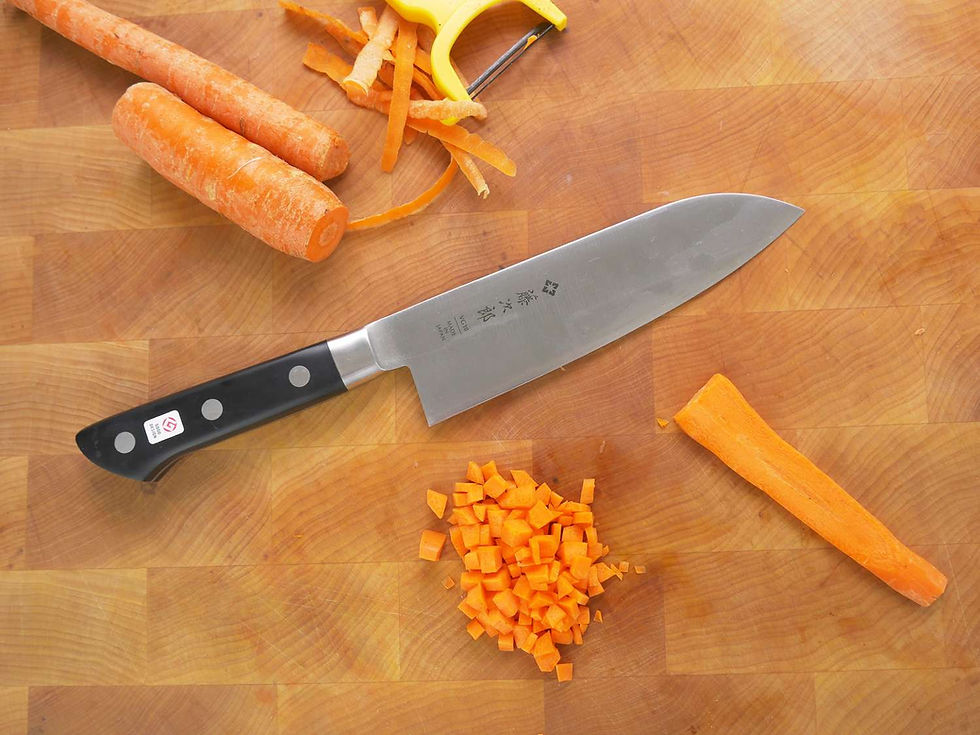
2. Santoku Knife
The santoku knife originated in Japan and has become popular in home kitchens because of its balanced shape and clean cutting style. It is usually slightly shorter than a traditional chef’s knife and has a flatter blade edge.
Best Uses for a Santoku Knife
Santoku knives work well for slicing, dicing, and mincing. They are especially useful for vegetables, boneless meats, and fish. Many santoku knives include small indentations along the blade, which can help reduce sticking when cutting certain ingredients.
Home cooks who prefer a lighter knife or a more direct up-and-down chopping motion may find a santoku easier to control than a larger chef’s knife.
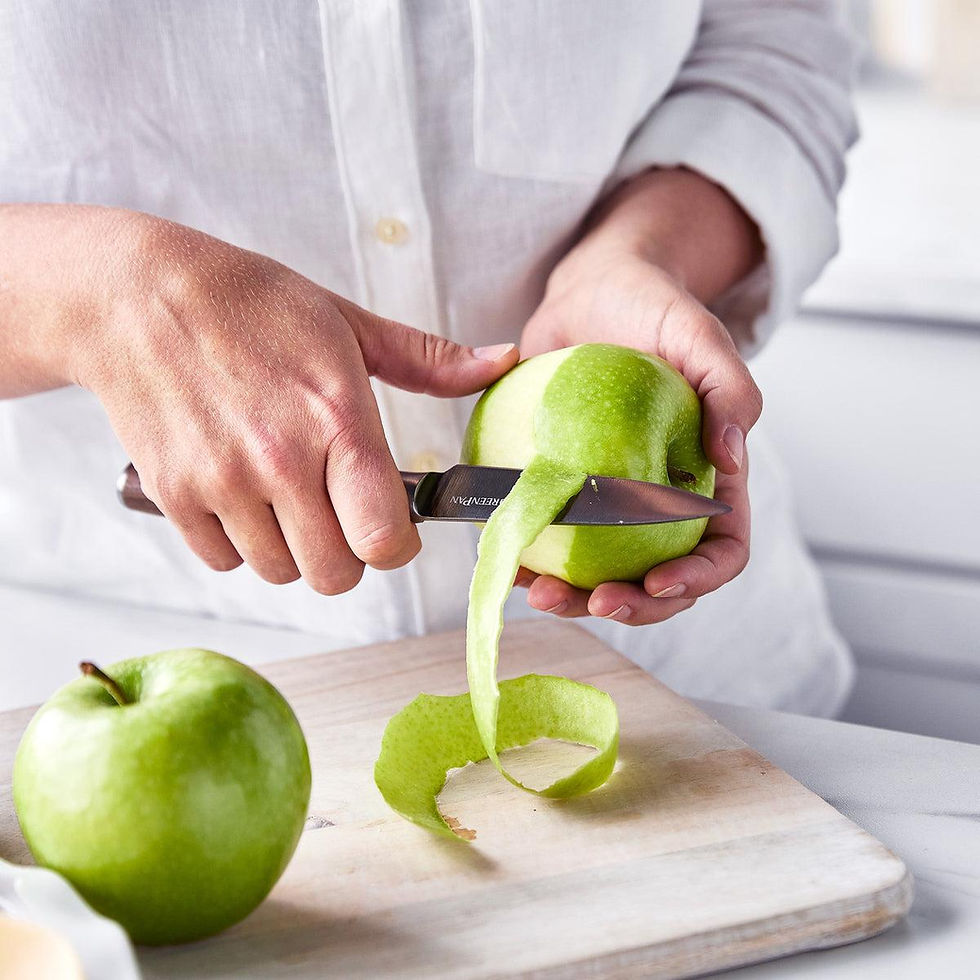
3. Paring Knife
A paring knife is small, precise, and designed for detail work. Its short blade gives the cook more control when handling smaller ingredients.
Best Uses for a Paring Knife
Paring knives are commonly used for peeling fruit, trimming vegetables, deveining shrimp, hulling strawberries, and making small decorative cuts. They are also helpful when a larger knife feels awkward or unsafe.
Although it is not meant for heavy chopping, a paring knife is one of the most useful tools for delicate preparation.

4. Serrated Bread Knife
A serrated bread knife has a long blade with saw-like teeth. Unlike smooth-edged knives, it cuts by gripping and sawing through food rather than pressing straight down.
Best Uses for a Serrated Knife
This knife is essential for slicing bread without crushing it. It also works well for foods with firm exteriors and soft interiors, such as tomatoes, citrus fruits, cakes, and certain pastries.
A serrated knife should not be used for general chopping, but it performs specific tasks better than almost any other knife.
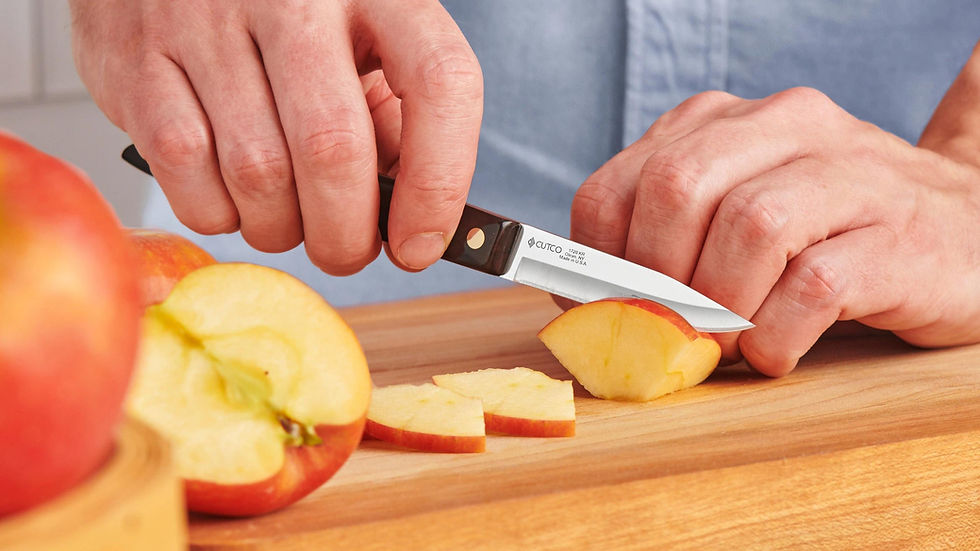
5. Utility Knife
A utility knife sits between a chef’s knife and a paring knife in size. It is useful when a chef’s knife feels too large, but a paring knife feels too small.
Best Uses for a Utility Knife
Utility knives are helpful for slicing sandwiches, cutting smaller fruits and vegetables, trimming cooked meats, and handling moderate prep tasks. They are not always essential, but many home cooks appreciate the convenience.
This knife is especially useful for quick preparation when pulling out a larger knife feels unnecessary.
6. Boning Knife
A boning knife has a narrow blade designed to separate meat from bone. Some boning knives are stiff, while others have more flexibility depending on their intended use.
Best Uses for a Boning Knife
Boning knives are used for trimming poultry, removing bones from meat, and working around joints. They are also useful for removing excess fat or silver skin from cuts of meat.
This knife is more specialized than a chef’s knife, but it becomes valuable for anyone who regularly prepares meat at home.
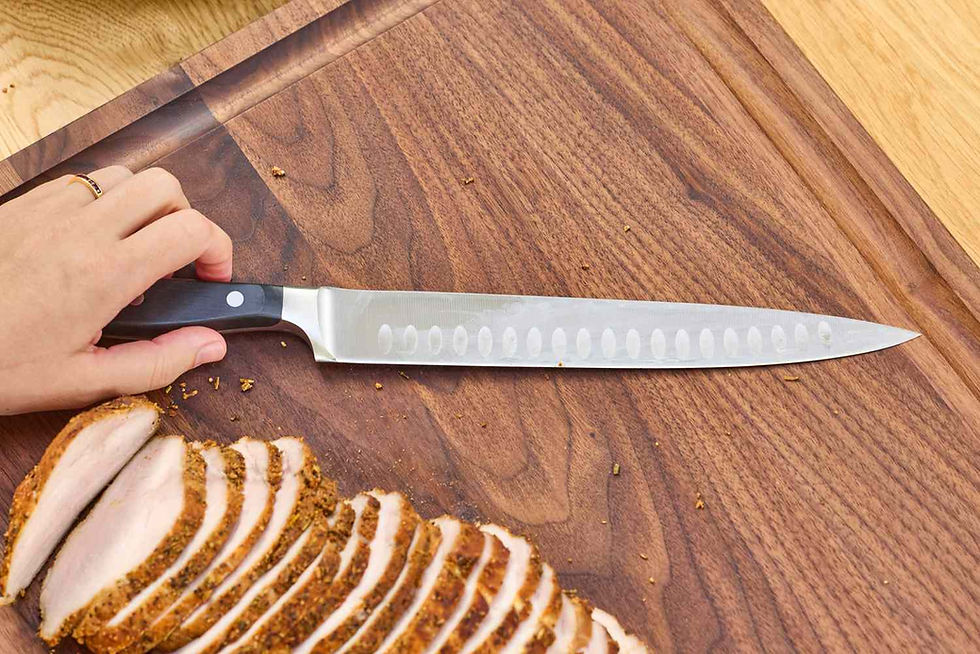
7. Carving or Slicing Knife
A carving or slicing knife has a long, narrow blade designed to make clean, even slices. It is often used after food has been cooked rather than during preparation.
Best Uses for a Carving Knife
This knife is ideal for slicing roasted meats, turkey, ham, brisket, and larger cuts prepared for gatherings. Its length allows for smooth strokes, helping preserve texture and presentation.
For holidays, dinner parties, and special events, a carving knife can make serving more polished and controlled.

8. Cleaver
A cleaver is a heavy knife with a broad rectangular blade. It is one of the most visually distinctive knives in the kitchen and is designed for forceful cutting.
Best Uses for a Cleaver
Cleavers are used for cutting through bones, breaking down larger pieces of meat, and handling dense ingredients. Some lighter cleavers are also used in vegetable preparation, though heavy cleavers should be handled with care.
Because of its weight, a cleaver is not necessary for every home kitchen. It is best suited for cooks who regularly prepare meat or need a tool for heavier cutting tasks.

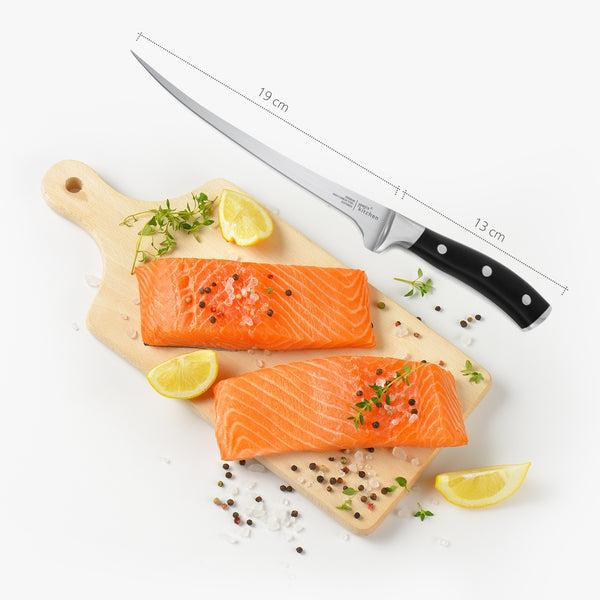
9. Fillet Knife
A fillet knife has a thin, flexible blade designed for precision work with fish. Its flexibility allows it to move along bones and skin with control.
Best Uses for a Fillet Knife
Fillet knives are used to remove fish from the bone, trim delicate seafood, and separate skin from flesh. The blade is designed to follow natural contours without damaging the ingredient.
For home cooks who prepare fish often, a fillet knife is worth considering. For occasional seafood preparation, a sharp chef’s knife may be sufficient, though less precise.

10. Nakiri or Vegetable Knife
A nakiri knife is designed specifically for vegetables. It has a straight edge and squared-off blade, making it effective for clean downward cuts.
Best Uses for a Nakiri Knife
Nakiri knives are excellent for chopping leafy greens, slicing root vegetables, cutting herbs, and preparing large quantities of produce. The straight blade helps create even cuts and full contact with the cutting board.
This knife is especially useful for cooks who prepare vegetable-forward meals and want greater consistency in their prep work.

Tips for Choosing the Right Knife for Home Cooking
A good knife should feel comfortable, balanced, and appropriate for the way you cook. Price is not the only consideration. A knife that feels awkward in the hand will not serve you well, even if it is well made.
Start With the Essentials
Most home cooks can begin with three knives:
A chef’s knife or santoku knife
A paring knife
A serrated bread knife
From there, additional knives can be added based on cooking habits. If you prepare meat frequently, a boning knife may be useful. If you host holiday meals, a carving knife may be worthwhile. If you cook many vegetable-focused meals, a nakiri may become a favorite tool.
Safe Handling, Storage, and Sharpening Basics
Knife safety begins with attention and consistency. A sharp knife is generally safer than a dull one because it requires less pressure and is less likely to slip.
Basic Knife Safety Habits
Always cut on a stable cutting board, keep fingers tucked away from the blade, and avoid rushing through preparation. Knives should be washed by hand and dried immediately rather than left in a sink where they can be hidden under dishes.
Proper Storage and Maintenance
Knives should be stored in a knife block, on a magnetic strip, or with blade guards. Loose storage in a drawer can damage the blade and increase the risk of injury.
Regular honing helps maintain the edge between sharpenings, while professional sharpening or careful at-home sharpening restores the blade when it becomes dull. Keeping knives in good condition makes cooking more efficient and more enjoyable.

Learn Useful Knife Skills in a Hands-On Cooking Class
Reading about kitchen knives is useful, but confidence develops through practice. A chef-led cooking class gives participants the opportunity to learn how to hold, use, and care for knives in a guided setting. Proper technique can make everyday cooking feel more approachable, especially for beginners who want to improve their kitchen skills without feeling overwhelmed.
Red Rock Chef offers hands-on cooking classes in Salt Lake City, Park City, and surrounding Utah communities for individuals, couples, private groups, and corporate teams. Classes can include knife skills, menu preparation, cooking techniques, and shared dining experiences.
If you want to become more comfortable in the kitchen or plan a memorable group activity, contact Red Rock Chef to book a hands-on cooking class and learn practical skills from a professional chef.



Comments