How to Choose the Right Menu for Your Special Event

A Practical Guide to Planning Food That Fits the Occasion

Choosing the right menu is one of the most important decisions in planning a special event. Food shapes the pace of the gathering, influences how guests interact, and often becomes one of the details people remember most clearly. Yet menu planning does not need to feel complicated. With a clear understanding of the event, the guest list, and the desired atmosphere, hosts can create a dining experience that feels thoughtful, balanced, and appropriate.
Whether you are planning a birthday dinner, anniversary celebration, corporate gathering, holiday party, microwedding, or private dinner in Salt Lake City or Park City, the best menu begins with intention. It should support the occasion rather than compete with it.
Start With the Type of Event and Overall Vibe
Before choosing specific dishes, consider the nature of the event itself. A formal anniversary dinner calls for a different menu than a relaxed birthday brunch or a corporate retreat meal. The food should reflect the tone of the gathering, including how guests will be seated, how long the event will last, and whether the meal is meant to be the centerpiece or one part of a broader schedule.

Match the Menu to the Mood
A refined plated dinner may suit a milestone celebration, while family-style service may feel more natural for a relaxed group gathering. A cocktail-style event may call for small bites and passed appetizers rather than full courses. By defining the atmosphere first, the menu becomes easier to shape.
Consider Guest Count and Group Preferences
Guest count influences both menu structure and service style. A dinner for six allows for more detailed plating and individualized pacing. A gathering of twenty may benefit from shared dishes, buffet service, or a more streamlined menu that keeps the event moving smoothly.
Plan for the Group, Not Just the Host
Hosts often begin with their own favorite dishes, which is a useful starting point. However, the final menu should also consider the group as a whole. Think about age range, cultural preferences, comfort level with adventurous ingredients, and whether the event includes children, colleagues, or out-of-town guests.
A successful special event menu usually includes familiar elements presented with care, along with a few elevated touches that make the meal feel distinct.
Account for Dietary Restrictions and Allergies
Dietary needs should be addressed early in the planning process. Allergies, gluten sensitivities, vegetarian preferences, dairy restrictions, and other considerations can affect ingredient choices, preparation methods, and service flow.

Make Accommodations Feel Intentional
The goal is not simply to provide an alternative plate. A well-planned menu allows guests with dietary restrictions to feel included in the same dining experience. This may involve designing dishes that naturally accommodate multiple needs or creating thoughtful variations that maintain the quality and spirit of the meal.
Clear communication in advance helps prevent last-minute adjustments and allows the chef or host to plan with confidence.
Decide Between Plated, Family-Style, Buffet, or Custom Service
Service style has a major effect on the feel of the event. The same menu can create a very different impression depending on how it is served.

Plated Service
Plated dinners offer structure, pacing, and a more formal presentation. This style works well for anniversaries, milestone birthdays, proposals, corporate dinners, and microweddings.
Family-Style Service
Family-style dining encourages conversation and shared participation. It is well suited for private homes, vacation rentals, retreats, and relaxed celebrations where warmth and connection matter more than formality.
Buffet or Station Service
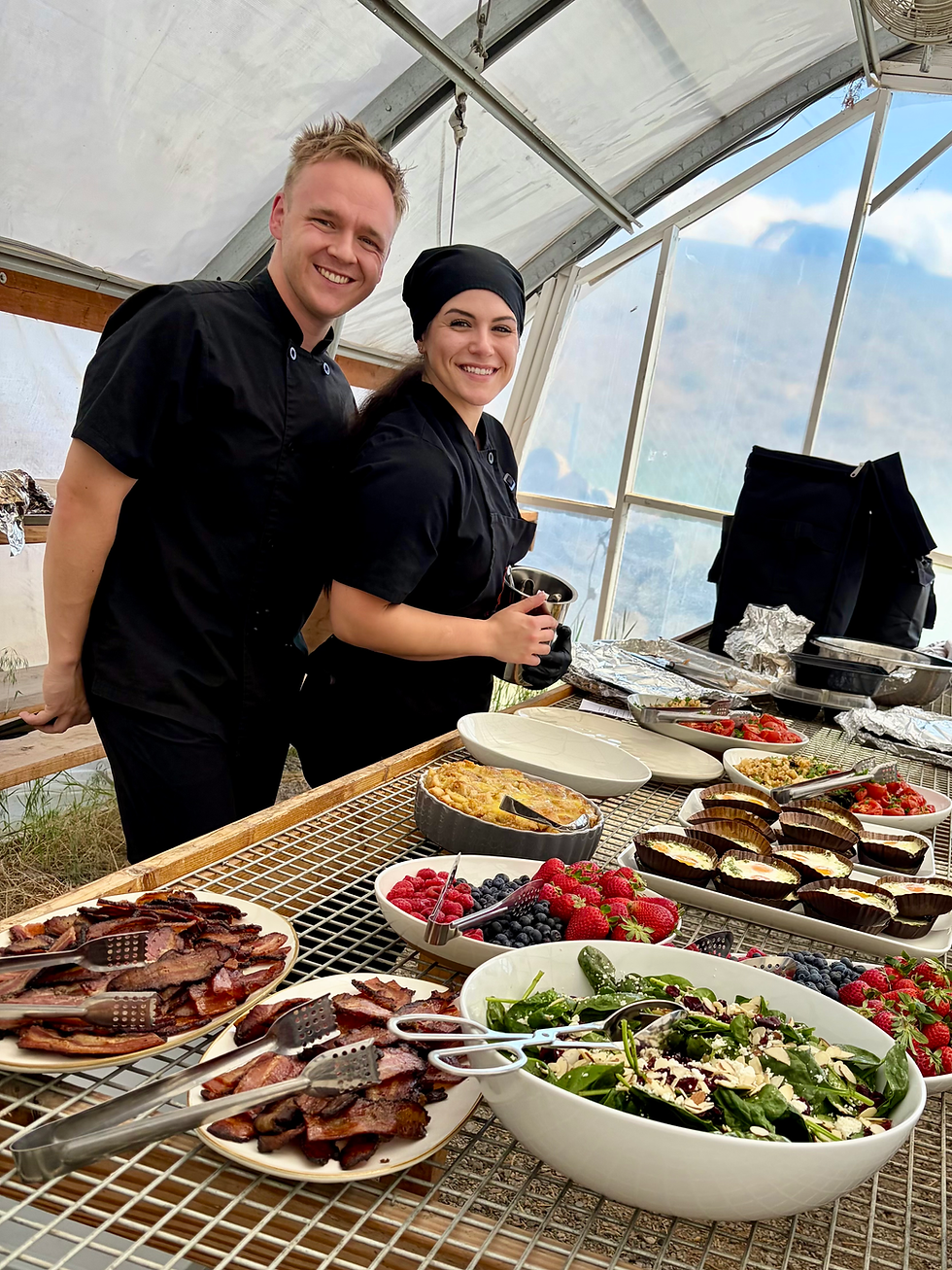
Buffets and stations can work well for larger groups or events where guests may arrive at different times. This format provides flexibility, though it requires careful planning to maintain presentation and flow.
Custom Service
Some events benefit from a blended approach. A dinner might begin with passed appetizers, move into a plated main course, and end with a shared dessert. A private chef can help determine which format best fits the space, guest count, and schedule.
Choose Dishes That Fit the Season and Setting
Seasonality helps a menu feel grounded. In Utah, a winter dinner in Park City may call for richer, warming dishes, while a spring or summer gathering in Salt Lake City may benefit from lighter courses, fresh produce, and brighter flavors.

Let the Location Guide the Menu
The setting matters as much as the season. A mountain lodge, garden venue, private estate, or downtown home each suggests a different dining style. Menus should complement the surroundings rather than feel disconnected from them.
A thoughtful seasonal menu also helps manage comfort. Heavy dishes may not suit an outdoor summer event, while delicate cold dishes may feel less satisfying after a winter ski day.
Balance Crowd-Pleasers With Elevated Menu Items
The best event menus usually strike a balance between accessibility and refinement. Guests appreciate dishes they recognize, but special events should also feel distinct from everyday dining.
Familiar Food, Prepared With Care
Crowd-pleasers do not need to be ordinary. A familiar dish can feel elevated through ingredient quality, presentation, sauces, pairings, or thoughtful preparation. This approach keeps guests comfortable while still giving the meal a sense of occasion.
For mixed groups, this balance is especially important. A menu that is too experimental may alienate some guests, while a menu that is too simple may not feel special enough for the event.
Think Through Appetizers, Main Courses, Desserts, and Pairings
A complete menu should have rhythm. Appetizers set the tone, main courses provide substance, desserts create closure, and optional pairings can add refinement when appropriate.
Build the Meal in Stages
Appetizers should be easy to enjoy while guests arrive and settle in. Main courses should match the event’s formality and timing. Desserts can be plated, shared, or designed around the occasion, such as a birthday, anniversary, or wedding celebration.
Optional pairings, including wine, cocktails, mocktails, or nonalcoholic beverages, can enhance the meal when they are chosen with restraint. The goal is to support the food, not complicate the experience.
Why Working With a Private Chef Makes Menu Planning Easier
Planning a menu alone can feel difficult because each decision affects another. Guest count influences service style. Dietary needs influence ingredients. Venue layout influences timing. A private chef helps bring these pieces together into a clear, manageable plan.
Guidance Without Overcomplication
A private chef can recommend dishes based on the event type, season, kitchen setup, and guest preferences. This guidance helps hosts avoid common planning mistakes, such as choosing dishes that are difficult to serve at scale or selecting a menu that does not match the pace of the event.
For special events in Salt Lake City, Park City, and surrounding Utah communities, private chef service also reduces the burden of shopping, preparation, cooking, service, and cleanup. The host remains free to enjoy the gathering rather than manage the meal.
Creating a Menu That Feels Personal and Well Planned
The right menu does not need to be elaborate to be memorable. It needs to fit the occasion, respect the guests, and support the atmosphere the host wants to create. By considering event style, guest preferences, dietary needs, service format, seasonality, and pacing, hosts can create a dining experience that feels considered without becoming excessive.
If you are planning a birthday, retreat, microwedding, corporate dinner, holiday gathering, or private celebration in Utah, Red Rock Chef can help design a custom event menu suited to your occasion. Contact Red Rock Chef to discuss your guest count, setting, preferences, and service style, and begin planning a private dining experience that feels personal, polished, and easy to enjoy.


Comments