A Beginner’s Guide to Wine Pairing

Learn to Enhance Any Meal with these Simple Wine Pairing Tips!

How to Choose Wine for Dinner Without Making It Complicated
Choosing a bottle of wine for dinner can feel more complicated than preparing the meal itself. Restaurant wine lists may include dozens of unfamiliar varieties, and traditional pairing advice sometimes makes it seem as though there is a precise rule for every dish. Fortunately, good wine pairing does not require extensive knowledge or an impressive collection of bottles.
For most home dinners and special gatherings, a few basic principles will help you make a confident choice. Consider the primary ingredient, the richness of the dish, its sauce and seasonings, and the overall character of the meal. From there, the objective is simply to find a wine that complements the food without overwhelming it.
Whether you are planning an anniversary dinner, hosting friends at home in Salt Lake City, or arranging a private dinner during a Park City vacation, understanding these fundamentals can help make the entire meal feel more cohesive.

Why Does Wine Pairing Matter?
Finding Balance Between the Food and the Wine
A thoughtful pairing allows both the wine and the food to show their best qualities. A delicate dish can become difficult to appreciate beside an especially powerful wine, while a rich meal may make a very light wine seem insignificant.
Acidity, sweetness, body, tannins, and the richness of the food all influence how a pairing tastes. You do not need to understand the chemistry behind every interaction. Begin by considering whether the meal is light, rich, savory, spicy, or slightly sweet, and choose a wine with a similar degree of intensity.
The sauce also deserves attention. A piece of chicken served with a light herb sauce may call for a very different wine than chicken prepared with mushrooms and a rich cream sauce.
Red Wine vs. White Wine: Understanding the Basics
The familiar advice to serve red wine with meat and white wine with fish provides a reasonable starting point, although it should never be treated as an absolute rule.
When to Consider Red Wine
Red wines tend to work particularly well with richer foods, roasted meats, grilled dishes, and meals containing deeper savory flavors. Cabernet Sauvignon, Merlot, Pinot Noir, and Syrah are common choices, but each offers a different degree of body and intensity.
A lighter Pinot Noir, for example, can accompany foods that would be overwhelmed by a powerful Cabernet Sauvignon.
When to Consider White Wine
White wines frequently complement seafood, chicken, vegetables, creamy dishes, and lighter meals. Sauvignon Blanc can provide freshness and acidity, while Chardonnay can range from crisp and restrained to considerably richer depending on how it is produced.
Rather than choosing based exclusively on color, consider the weight and flavor of the complete dish.

Pairing Wine With Beef
Beef generally stands up well to red wines, particularly when the meat is grilled, roasted, or served with a substantial sauce.
Match Richer Cuts With Fuller Wines
Steak and beef tenderloin are commonly paired with Cabernet Sauvignon, Syrah, or other medium- to full-bodied reds. Their structure can complement the richness of the meat without disappearing beside it.
Preparation matters as well. Beef served with mushrooms or a savory reduction may support a deeper red, while a lighter beef dish can work well with something less powerful.
Pairing Wine With Chicken
Chicken provides considerably more flexibility because its flavor depends heavily on preparation.
Roasted or grilled chicken can pair comfortably with Chardonnay, Pinot Noir, or other moderate wines. Chicken prepared with citrus and herbs often works well with Sauvignon Blanc or another crisp white, while creamy preparations may benefit from a fuller Chardonnay.
Pay Attention to the Sauce
When pairing chicken with wine, look beyond the protein. Herbs, sauces, spices, and cooking methods frequently provide better guidance than the chicken itself.

Pairing Wine With Seafood
Seafood is commonly associated with white wine because many varieties benefit from freshness and acidity.
Sauvignon Blanc and Pinot Grigio can work well with lighter fish and shellfish, while richer seafood dishes may pair more successfully with Chardonnay. Sparkling wines can also be remarkably versatile with seafood, particularly when the meal includes fried or salty elements.
Delicate fish generally benefits from a lighter wine. Richer fish, such as salmon, can accommodate wines with greater body and may even pair successfully with certain lighter reds.

Pairing Wine With Pasta
There is no single wine for pasta because the sauce usually determines the pairing.
Let the Sauce Lead
Tomato-based pasta dishes often benefit from wines with sufficient acidity, including Sangiovese and other Italian reds. Cream sauces can pair nicely with Chardonnay or lighter reds, depending on the other ingredients.
Pasta with seafood may call for Sauvignon Blanc, Pinot Grigio, or another fresh white, while hearty meat sauces can accommodate more substantial reds.
This is a useful principle beyond pasta as well: when a dish contains a prominent sauce, consider pairing the wine with the sauce rather than focusing exclusively on the main ingredient.
Pair Rich Wines With Rich Dishes and Light Wines With Lighter Meals
One of the easiest pairing principles to remember is to match intensity.
A crisp white wine is unlikely to dominate a light seafood dinner, while a structured red can stand alongside grilled steak or another substantial entrée. Problems often arise when the wine and food differ greatly in weight.
This principle can also help when planning several courses. Lighter wines can be served earlier in the meal, followed by wines with greater body as the food becomes richer.

You Do Not Need to Be a Wine Expert
Wine should contribute to an enjoyable dinner rather than become a source of anxiety. Personal preference still matters, and there is rarely only one acceptable bottle for a particular meal.
If you already know that your guests prefer a certain style of wine, that information is useful. A technically unconventional pairing that everyone enjoys is generally a better choice than a textbook pairing nobody wants to drink.
Start with broad principles, remain willing to experiment, and pay attention to combinations you enjoy. Confidence develops naturally as you become familiar with different wines and foods.
Creating a More Cohesive Dinner With a Private Chef
Bringing the Menu and Dining Experience Together
Wine pairing becomes considerably easier when the entire menu has been planned as a complete experience. A private chef can consider appetizers, sauces, main courses, side dishes, and desserts together, making it easier to understand which styles of wine will complement the progression of the meal.
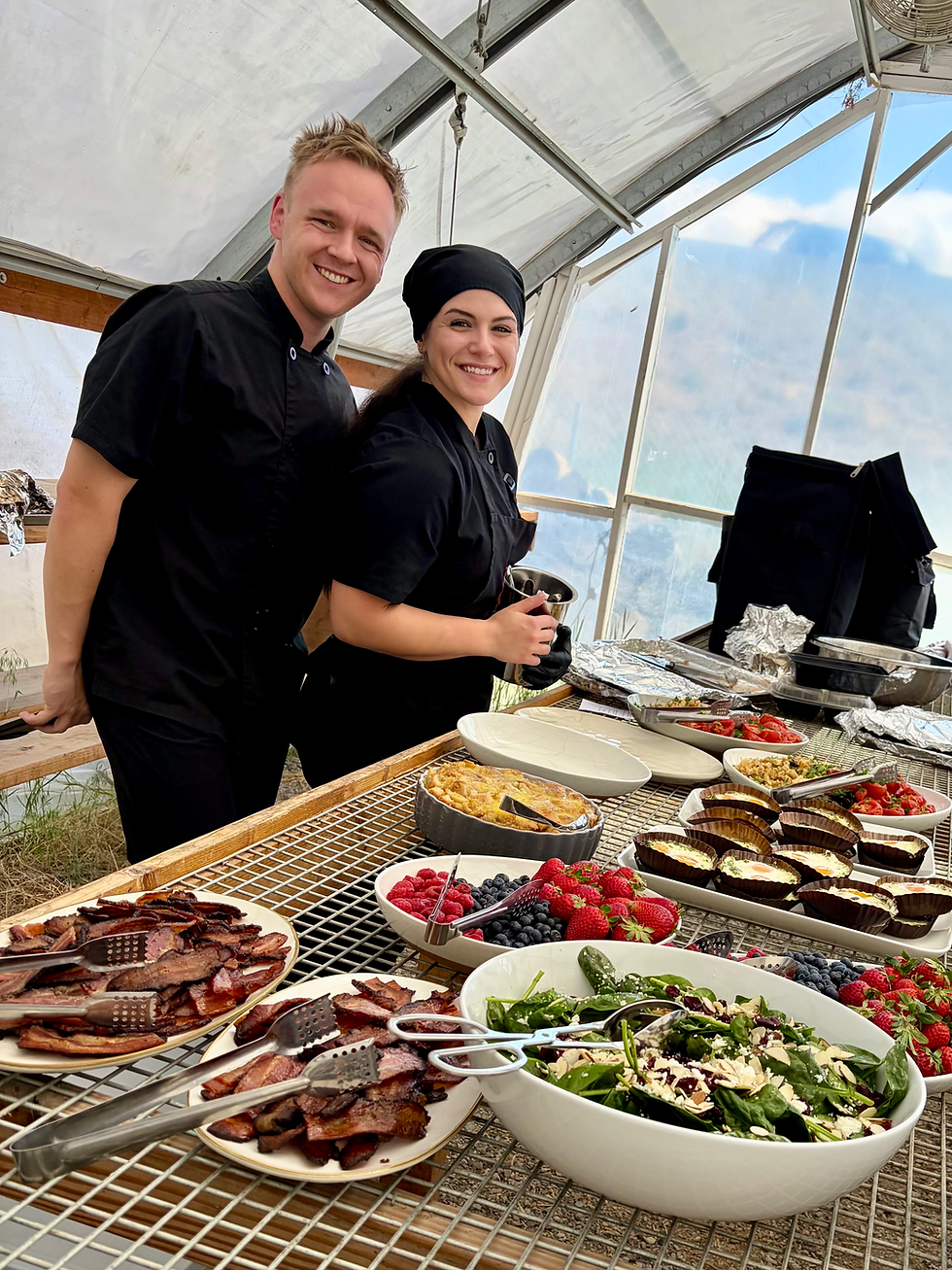
At Red Rock Chef, we create private dining experiences for special occasions, vacation dinners, family gatherings, and other events throughout Park City, Salt Lake City, and surrounding Utah communities. Customized menus allow the food, pacing, and overall style of the dinner to work together rather than treating each course as an isolated decision.
For hosts, this also means less time coordinating menus, shopping, preparing food, and managing the kitchen. You can spend the evening with your guests while the meal is prepared and served professionally.
Learn the Basics with a Wine Pairing Class
For guests who want to go beyond choosing a bottle for dinner, a wine pairing basics class can make the process much easier to understand. A guided class can introduce the differences between common red and white wines, explain how acidity, sweetness, body, and tannins affect a pairing, and show how certain wines interact with foods such as beef, chicken, seafood, pasta, cheese, and desserts. Learning through tasting helps make these concepts more practical and memorable than simply reading pairing rules.
A wine pairing class can also be a fun addition to a private dinner, group gathering, corporate event, or special celebration. Red Rock Chef’s cooking classes can provide an interactive setting where guests learn culinary techniques, explore food and wine combinations, and enjoy the experience together. It is a relaxed way to build confidence with wine while also developing a better understanding of how thoughtful food preparation and pairing choices work together.
Enjoy Wine Pairing Without Overthinking It
Be Creative, Test Things Out & See What Tastes Best To You!
A successful wine pairing does not depend on memorizing dozens of rules. Begin with the character of the meal, consider whether the dish is light or rich, and pay attention to sauces and dominant flavors. From there, choose a wine that complements the food and, most importantly, appeals to the people sitting around the table.
If you are planning a special dinner, celebration, or private gathering in Park City or Salt Lake City, contact Red Rock Chef to plan a customized chef-prepared meal and create a dining experience designed around your guests, setting, and occasion.


Comments